
Bhutan is one of the world’s most extraordinary travel destinations, and one of the most common questions travellers ask is: when is the best time to visit? The honest answer is that Bhutan is beautiful in every season, but each time of year offers a completely different experience. This guide breaks down exactly what to expect across all four seasons so you can plan your Bhutan journey with confidence.
Spring (March to May): The Best Season Overall
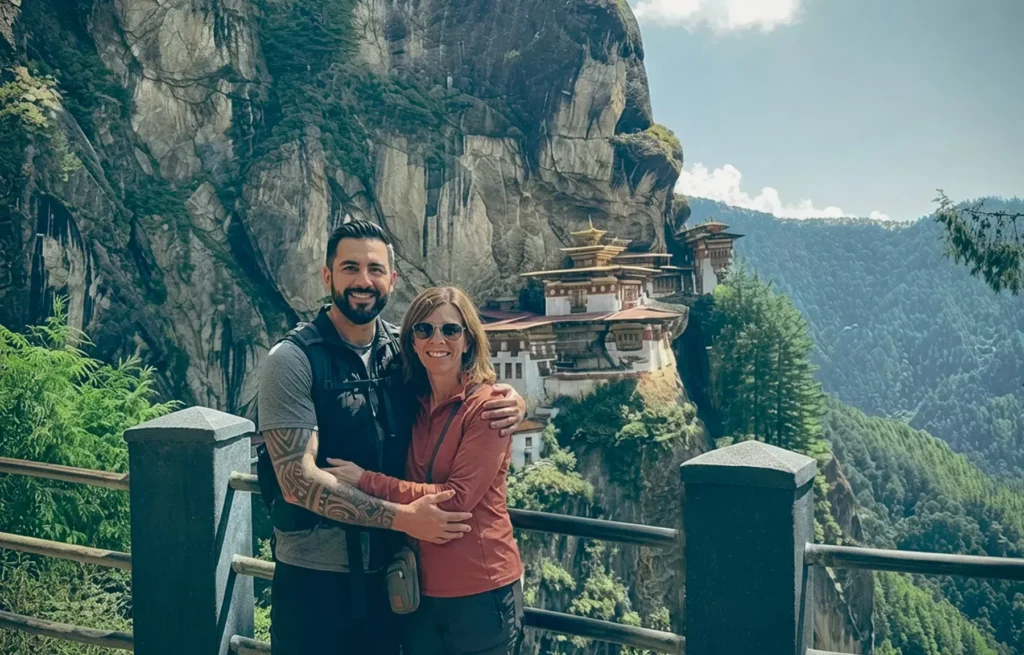
Spring is widely considered the best time to visit Bhutan. The weather is clear, the skies are blue, and the landscapes are alive with blooming rhododendrons painting the hillsides in vivid pink, red, and white. Temperatures are comfortable, hovering between 10 and 20 degrees Celsius in most areas, making it ideal for hiking, sightseeing, and photography.
Why Spring Is Special
- The famous Paro Tshechu festival falls in spring, usually March or April, drawing locals and visitors from across the world for three days of sacred masked dances, religious ceremonies, and vibrant cultural celebrations at Paro Dzong.
- Tiger’s Nest Monastery hike conditions are at their very best with clear visibility and dry trails.
- Rhododendron forests along mountain roads and valleys are in full bloom, especially between Thimphu and Punakha.
- Dochula Pass, at 3,100 metres, offers its clearest views of the Himalayan mountain range on spring mornings.
Spring is peak season so accommodation and flights book up quickly. If you are planning a spring visit, especially during festival dates, book well in advance.
Ready to plan your spring Bhutan trip?
Book early to secure festival dates and peak season availability.
Autumn (September to November): A Close Second
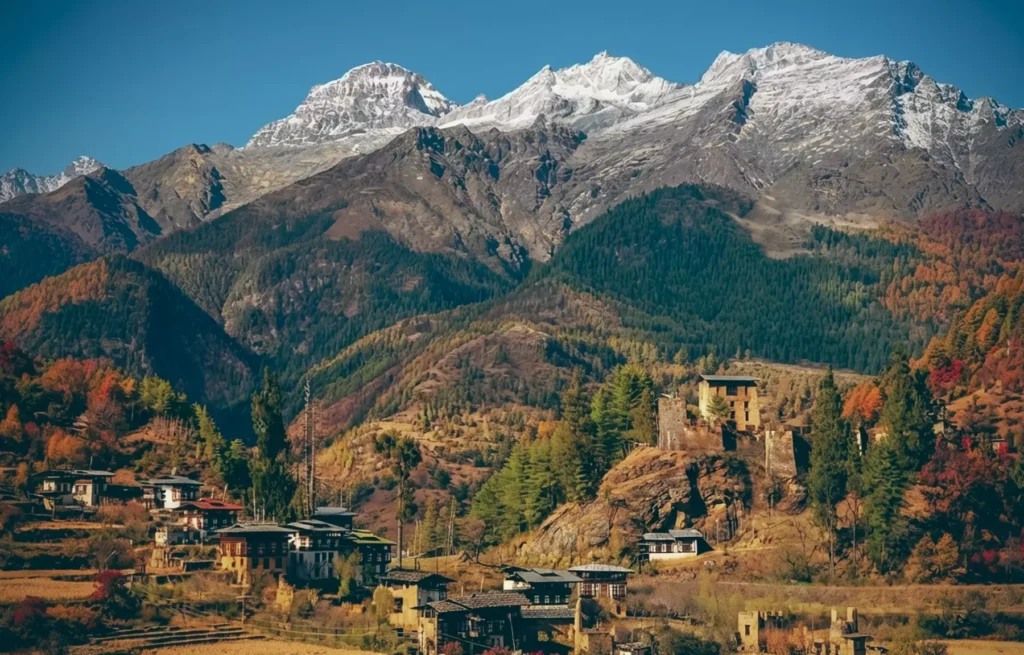
Autumn is the second-best season for visiting Bhutan and many experienced travellers actually prefer it. The monsoon rains have cleared, leaving landscapes lush, green, and crystal clear. Temperatures are cool and comfortable and the Himalayan views are some of the sharpest of the year.
Why Autumn Is Special
- The Thimphu Tshechu festival, one of Bhutan’s largest and most celebrated, takes place in September or October. It is an extraordinary cultural event that should not be missed.
- The Wangdue Tshechu festival also falls in this period, offering a more intimate festival experience.
- Rice harvest season is in full swing, making the valleys of Punakha and Haa particularly photogenic with golden rice terraces.
- The Black-Necked Cranes begin to arrive in Phobjikha Valley from October, one of the rarest wildlife viewing experiences in Bhutan.
Autumn is also peak season, especially October. Book your flights and accommodation at least two to three months in advance.
Monsoon (June to August): The Green Season
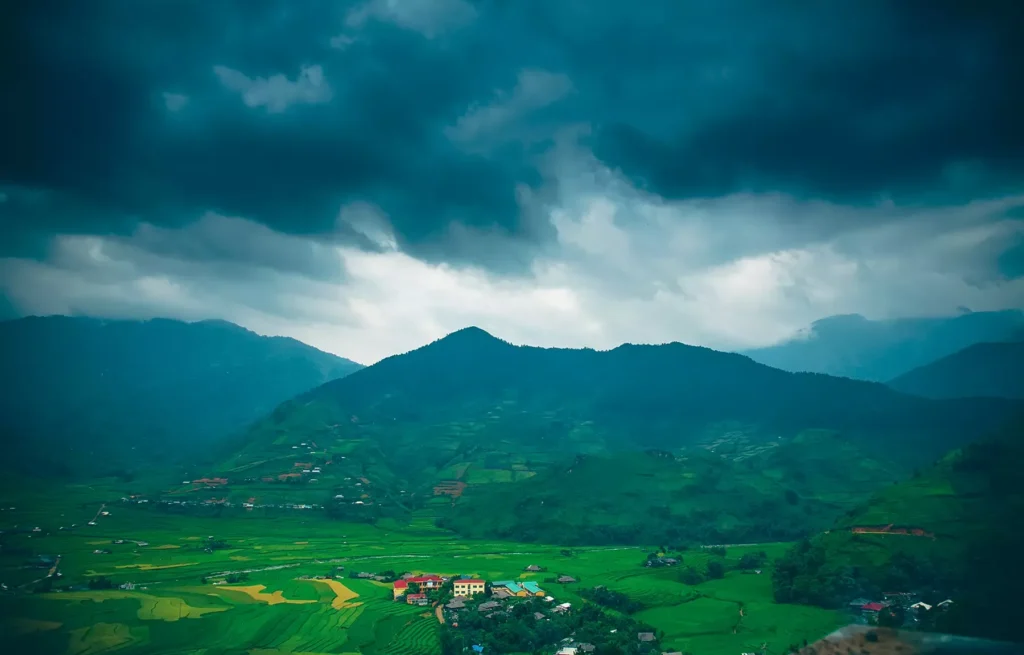
Monsoon season in Bhutan brings daily rainfall, lush green landscapes, and the lowest visitor numbers of the year. While some travellers avoid this period, it has its own unique appeal and comes with practical advantages.
Why Monsoon Is Worth Considering
- Lower hotel rates and greater flexibility on bookings.
- Fewer tourists means you often have famous sites largely to yourself.
- The countryside is extraordinarily lush and green.
- Trekking is not ideal due to wet and slippery trails, but cultural sightseeing remains perfectly enjoyable.
- Some mountain roads may be temporarily affected by rain but main tourist routes generally remain open.
If you are on a tighter budget or prefer a quieter experience, the monsoon season can be a genuinely good choice for Bhutan travel. Just pack a good waterproof jacket.
Winter (December to February): Cold but Magical
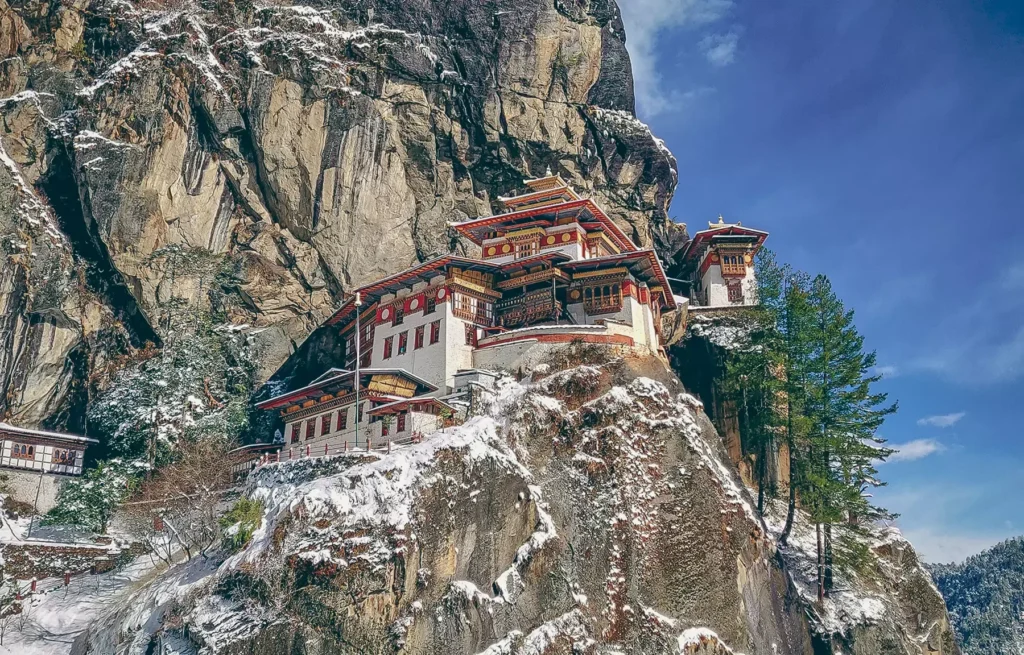
Winter in Bhutan is cold, particularly at higher altitudes, but it is far from off-limits for travel. At lower elevations like Punakha and Paro, daytime temperatures can be quite pleasant. And for certain experiences, winter is actually the best time to go.
Why Winter Is Special
- Phobjikha Valley becomes home to hundreds of Black-Necked Cranes from November through February, one of nature’s most extraordinary wildlife events.
- Fewer tourists than spring and autumn, meaning shorter queues and a more personal experience at major sites.
- The Punakha Drubchen and Punakha Tshechu festivals take place in February and March, making late winter an excellent time for festival seekers.
- Clear skies provide excellent conditions for Himalayan mountain photography.
- Hotel rates are generally lower than peak seasons.
Pack warm layers, particularly for evenings and higher-altitude destinations. Bumthang and Phobjikha can be very cold in December and January.
Not sure when to visit Bhutan?
Our travel experts will match your perfect Bhutan trip to the right season, festival, and budget.
Quick Season Comparison
Factor | Spring | Autumn | Monsoon | Winter |
Weather | Clear, mild | Clear, cool | Rainy | Cold, clear |
Crowds | Peak | Peak | Low | Low |
Festivals | Paro Tshechu | Thimphu Tshechu | None major | Punakha Drubchen |
Trekking | Excellent | Excellent | Not ideal | Cold |
Rates | Higher | Higher | Lower | Lower |
Best For | First-timers, festivals | Photography, culture | Budget, quiet | Wildlife, wellness |
Our Recommendation
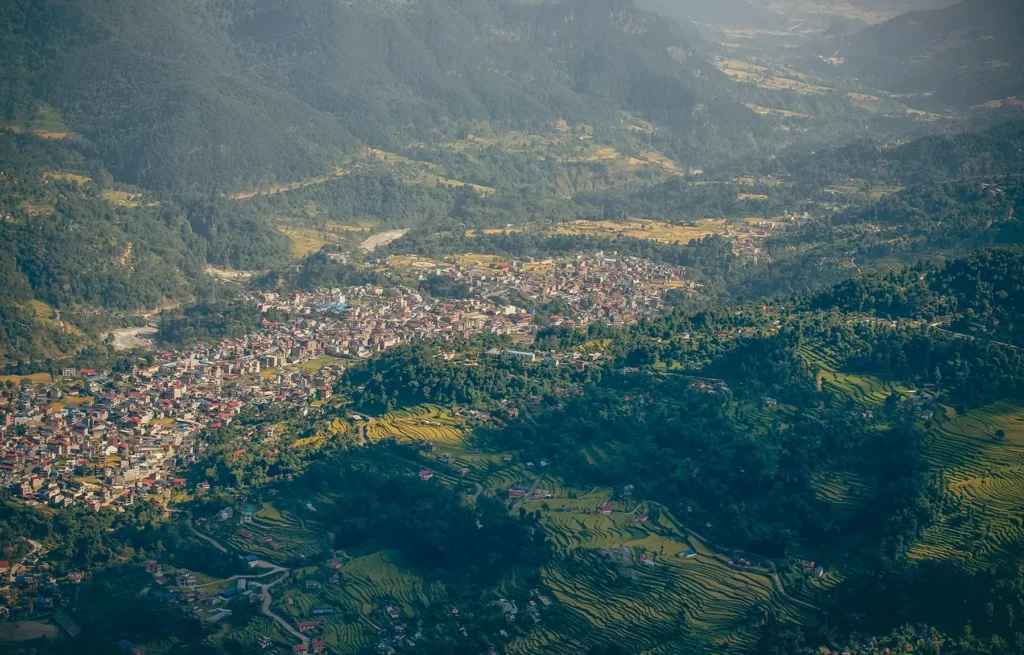
If you are visiting Bhutan for the first time, spring (March to May) is your best choice. The weather is ideal, the festivals are unmissable, and the landscapes are at their most spectacular. If you want to see the Thimphu Tshechu or witness the Black-Necked Cranes, plan for October or November.
Whatever season you choose, Bhutan will reward you. The kingdom is extraordinary year-round. The best time to visit Bhutan is simply whenever you can go.